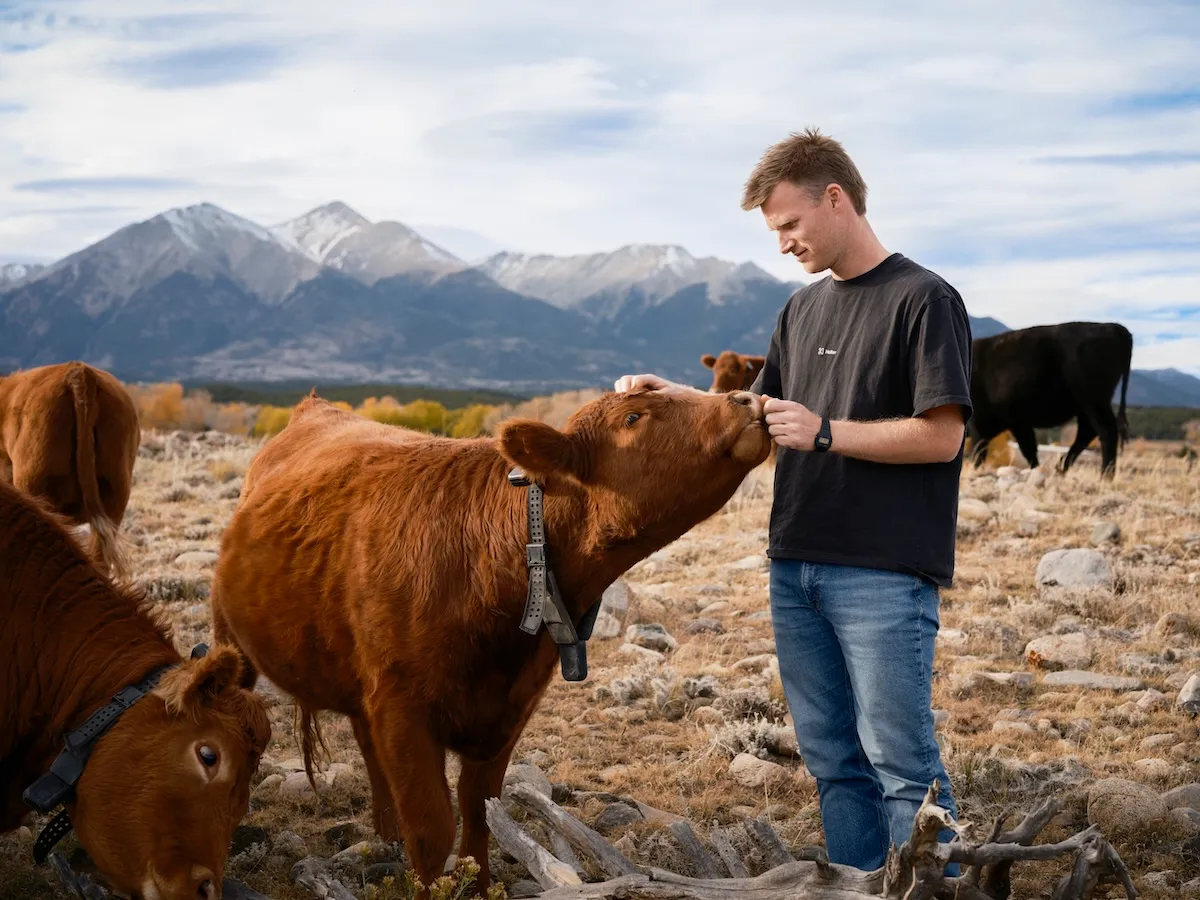

In the world of venture capital, few names command as much attention as Peter Thiel. Known for backing transformative technologies early—ranging from Facebook to Palantir—Thiel is now turning his focus toward an unlikely frontier: livestock. His latest interest? Solar-powered smart collars for cows, a technology that could redefine agriculture in the age of climate change and data-driven farming.
A New Kind of Farm Tech Revolution
Agriculture is undergoing a quiet but powerful transformation. Precision farming—using sensors, data, and automation—is becoming essential as farmers face rising costs, climate uncertainty, and growing global food demand. Solar-powered cow collars are at the heart of this shift.
These devices are equipped with GPS, health sensors, and solar panels that allow continuous operation without frequent battery replacements. They track a cow’s movement, monitor grazing patterns, and even detect early signs of illness. For farmers, this means fewer losses, improved productivity, and better animal welfare.
Why Peter Thiel Is Paying Attention
Thiel has built his reputation on identifying technologies that scale massively while solving real-world problems. Livestock management may not sound glamorous, but it represents a trillion-dollar global industry ripe for disruption.
By investing in solar-powered cow collar startups, Thiel is betting on three major trends:
- Decentralized technology: Farms in remote areas can operate without reliance on grid power.
- Sustainability: Solar energy reduces environmental impact while supporting greener farming practices.
- Data-driven agriculture: Real-time insights help farmers make smarter decisions, increasing efficiency and profitability.
This aligns with Thiel’s broader philosophy: backing innovations that create long-term structural change rather than short-term hype.
How Solar-Powered Collars Work
At their core, these collars combine multiple technologies into a single wearable device:
- Solar Panels: Small panels harvest sunlight to keep the device charged.
- GPS Tracking: Farmers can locate cattle in real time, even across vast grazing lands.
- Health Monitoring: Sensors track vital signs, activity levels, and eating behavior.
- Data Transmission: Information is sent to mobile apps or dashboards for analysis.
The result is a continuous feedback loop where farmers can respond quickly to problems—whether it’s a sick animal, unusual movement, or inefficient grazing.
The Economic and Environmental Impact
The implications of this technology go far beyond convenience. For farmers, especially in developing regions, solar-powered collars could be a game changer.
- Reduced Labor Costs: Less need for manual tracking and monitoring.
- Lower Losses: Early disease detection prevents costly outbreaks.
- Optimized Grazing: Better land use improves sustainability and productivity.
- Carbon Efficiency: Healthier livestock produce fewer emissions per unit of output.
In countries like India, where livestock plays a crucial role in rural livelihoods, such innovations could significantly boost income while promoting sustainable practices.
Challenges Ahead
Despite the promise, the road to widespread adoption isn’t without hurdles:
- Initial Cost: Small farmers may struggle with upfront investment.
- Connectivity Issues: Remote areas may lack reliable network infrastructure.
- Durability: Devices must withstand harsh environmental conditions.
- Data Literacy: Farmers need training to fully utilize the insights.
However, with strong backing from investors like Thiel, these challenges are likely to be addressed through scaling, innovation, and policy support.