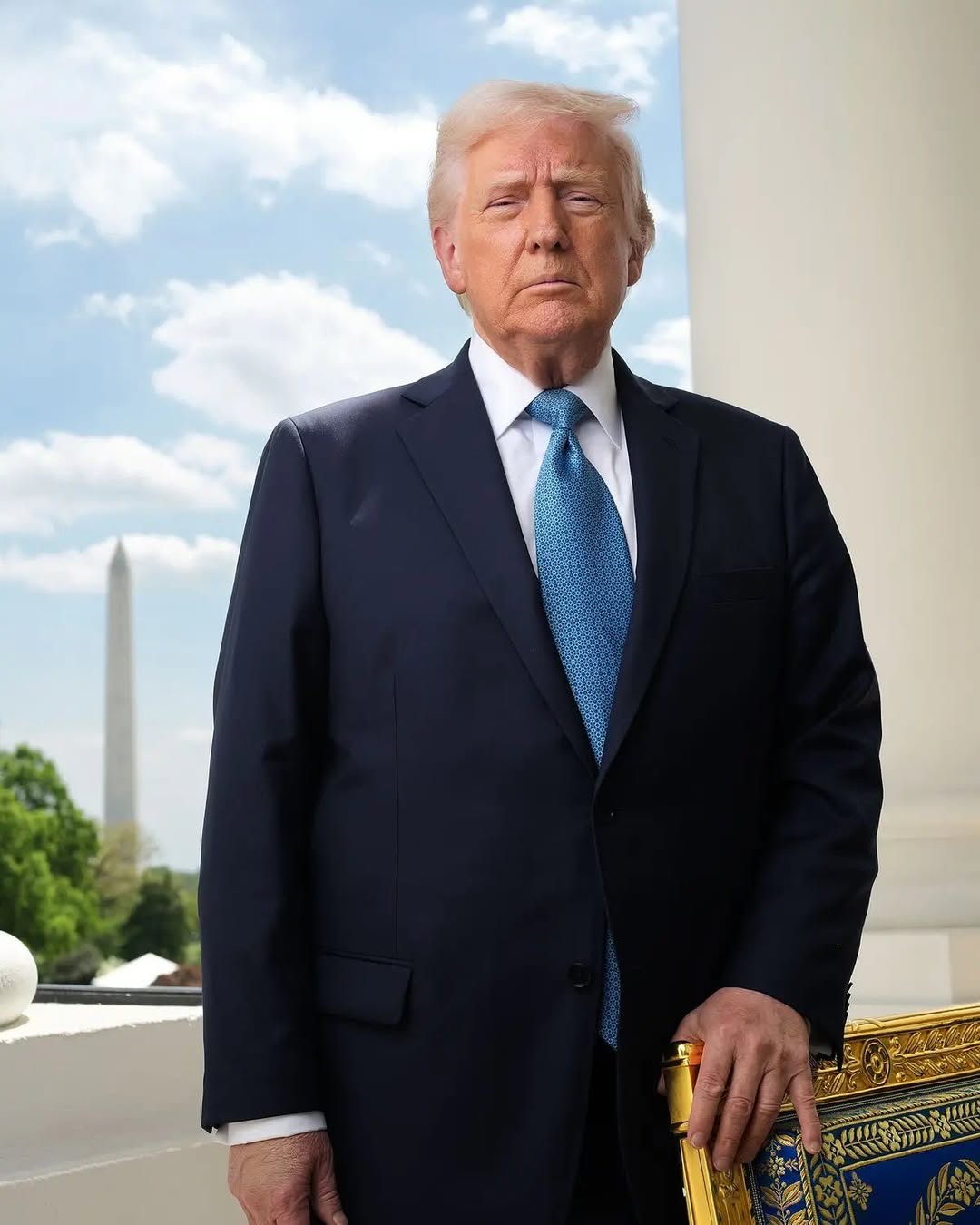

In the ever-volatile arena of global politics, words can move markets as swiftly as missiles. This reality was once again on display as a senior Iranian official took to social media to directly counter the high-impact rhetoric of Donald Trump—a figure well known for statements that have historically rattled financial markets and geopolitical stability alike.
For years, Trump’s public messaging—often delivered via social media—has demonstrated an uncanny ability to influence investor sentiment, oil prices, and diplomatic relations in real time. From threats of sanctions to abrupt policy shifts, his words have frequently carried the weight of immediate economic consequence. But now, Iran appears increasingly willing to engage in the same arena, signaling a strategic shift in how global narratives are contested.
A Digital Battlefield
The Iranian official’s response was not merely reactive; it was calculated. By choosing social media as the platform, the message mirrored Trump’s own communication style—direct, public, and designed for maximum visibility. This is not traditional diplomacy conducted behind closed doors. Instead, it represents a new form of geopolitical engagement where perception, speed, and public sentiment are as critical as policy itself.
The tone of the response suggested more than defiance—it conveyed parity. Iran is no longer content to be on the receiving end of market-moving statements. Instead, it is asserting its own voice in shaping global reactions, particularly in sectors like energy, where even minor tensions can send prices surging.
Markets on Edge
Whenever tensions between the United States and Iran escalate, global markets—especially oil—tend to react sharply. Traders closely monitor not only official policies but also rhetoric, tweets, and public statements that may hint at future actions. Trump’s history of bold declarations has often injected volatility into these markets.
Now, with Iranian officials entering the same communication space, the dynamic becomes more complex. Competing narratives can amplify uncertainty, leading to sharper swings in investor behavior. In essence, the “information war” itself becomes a market driver.
Strategic Messaging as Power
This exchange highlights a broader evolution in international relations: messaging is no longer secondary to policy—it is policy. Governments are increasingly aware that controlling the narrative can be as impactful as controlling resources or military assets.
Iran’s move suggests an understanding that silence can be costly in a world where perception shapes reality. By engaging directly and publicly, it seeks to counterbalance the influence of figures like Trump and assert its own strategic position.
A New Normal
What we are witnessing is not an isolated incident but part of a growing trend. Leaders and officials around the world are adopting more immediate, unfiltered communication styles to influence both domestic and international audiences.
In this environment, the line between political statement and market signal continues to blur. Every post, every remark, carries potential consequences far beyond its original intent.
As this digital tug-of-war continues, one thing is clear: in modern geopolitics, two can indeed play that game—and the world is watching, trading, and reacting in real time.